
France Beyond Paris: The Many faces of a romance Nation
Dernière mise à jour : 29 juil.

For much of the world, France is often imagined through the lens of Paris. And Paris itself is frequently perceived as a quintessential “northern European” capital — mentally grouped with cities such as London, Amsterdam, or Berlin: gray skies, Haussmannian boulevards, intellectual cafés, and urban density.
Yet geography tells a very different story.
When one looks at a map of Europe, Paris is not located in the far north of the continent at all. Its latitude places it much closer to Central Europe, roughly aligned with cities like Munich or Vienna rather than Scandinavia or the northern British Isles. More importantly, Paris sits unusually far north within France itself.
Nearly 90% of French territory lies south of the capital.

This simple geographical reality changes the way one understands the country. France does not primarily extend toward Northern Europe — it stretches southward, toward the Mediterranean world, the Atlantic south, the Pyrenees, and the Alpine arc. The country belongs culturally, climatically, historically, and linguistically to what scholars sometimes call “Latin Europe.”
For many English-speaking audiences, the concept of Latin Europe may require some explanation. It does not refer to modern political alliances, but to a broader civilizational sphere shaped by Romance languages derived from Latin, Mediterranean cultural influences, Roman heritage, and historically shared ways of life. This cultural family includes countries such as Italy, Spain, Portugal... and France.
Indeed, many regions of the southern half of France often share more similarities with northern Italy, Catalonia, or the Iberian Peninsula than with the Parisian image commonly exported abroad. Climate, architecture, cuisine, rhythms of life, accents, and even historical memory frequently place these regions firmly within Southern Europe.
This article seeks to explore that hidden reality.
Because France is not a culturally uniform nation centered solely around Paris. It is a vast mosaic of regional worlds — Atlantic, Mediterranean, Alpine, Basque, Occitan, Celtic, Flemish, Germanic, and Corsican — each shaped by distinct geographies, histories, and identities.
To understand France fully is therefore not simply to visit Paris, but to journey across the many civilizations that coexist within its borders.
A Cultural trip from North to the South
PART 1 : The peripherical regions of northern France
While central northern France formed the political core of the French kingdom around Paris, its outer regions preserved strong identities tied to neighboring civilizations.
Flanders and the Northern Frontier
French Flanders belongs culturally to the wider Low Countries world shared with Belgium and the Netherlands. Flat landscapes, canals, brick towns, and bell towers create an atmosphere that feels distinctly northern European.
Traditional Flemish architecture favors colorful brick facades and stepped gables. Cuisine revolves around beer, fries, waffles, carbonnade stew, and smoked meats.
Even if it is now almost only french-speaking (an the local Ch'ti variant), historically, Flemish dialects — Germanic rather than Romance languages — were spoken in the northermost areas.


Alsace-Lorraine, when France touch germanic central Europe
Few regions illustrate France’s cultural complexity better than Alsace and parts of Lorraine. Situated along the Rhine frontier, these territories shifted repeatedly between French and German political influence.
Half-timbered villages, flower-covered balconies, Christmas markets, and vineyard-covered hills create one of Europe’s most recognizable regional landscapes.
Cuisine strongly reflects Germanic traditions: sauerkraut, sausages, pretzels, Riesling wines, and beer culture dominate local identity.
Alsatian dialects belong to the Alemannic German language family, while parts of Lorraine historically spoke Franconian dialects.


Brittany : France’s "Celtic" Peninsula
Brittany stands apart from the rest of France both geographically and culturally. Its rugged Atlantic coastline, granite villages, moody weather, and maritime traditions evoke Ireland or Wales more than Paris.
Breton architecture relies heavily on granite stone, fishing villages, and isolated parish churches. Culinary traditions emphasize seafood, buckwheat galettes, salted butter, and cider.
The Breton language, unlike French, belongs to the Celtic language family and remains one of the strongest surviving regional languages in France.


PART TWO : The Historical Heartland Around Paris :
The World of the Langues d’Oïl
The regions surrounding Paris form the historical core of the French kingdom and of what linguists call the Langues d’Oïl — the northern Romance languages from which modern French eventually emerged. These territories shaped the political and cultural foundations of France for centuries, and their landscapes often correspond to the image foreigners instinctively associate with the country.


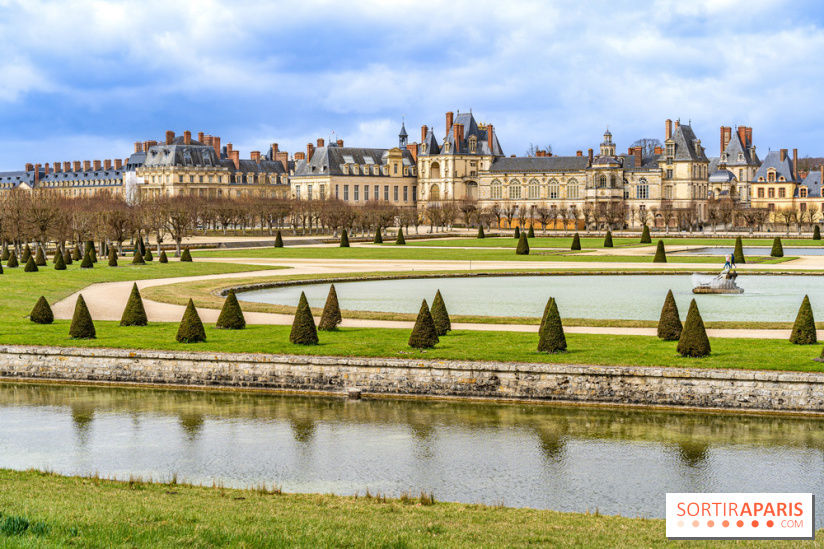
Normandy, Between France and the Anglo-Norman World
Normandy represents one of the great crossroads of western Europe. Its green countryside, dramatic cliffs, apple orchards, and maritime climate connect it culturally to both France and the English Channel world.
Traditional Norman architecture features half-timbered houses, slate roofs, stone farmhouses, and fortified churches shaped by Viking and medieval influences. The region’s cuisine reflects its humid climate and dairy culture: camembert, butter, cream-based sauces, cider, and calvados dominate local gastronomy.
But, it still is latin Europe : Historically, Norman dialects belonged to the Langues d’Oïl family, though traces of Old Norse vocabulary remain from the Viking settlement period.


Picardy, the Northern Plains
North of Paris, Picardy opens onto vast agricultural plains stretching toward Belgium and Flanders. The climate is cooler and windier, and the landscape is defined by wheat fields, Gothic cathedrals, and brick villages.
Traditional architecture relies heavily on red brick and chalk stone, giving towns a distinctly northern European appearance. Cuisine is hearty and rustic, centered around potatoes, endives, beer-based dishes, and regional pastries.
Picard, once widely spoken here, was another important Langue d’Oïl, closely related to early French but possessing its own literature and identity.


Champagne : Kings, Cathedrals and Vineyards
Champagne combines rolling vineyards with vast open plains and medieval cathedral towns. Its cool continental climate shaped both its architecture and its globally famous sparkling wine tradition.
The region’s villages are often built from pale limestone, while underground chalk cellars form a hidden landscape beneath the vineyards. Champagne cuisine remains relatively understated compared to southern France, favoring pork products, creamy dishes, and regional cheeses.
Linguistically and culturally, Champagne remains deeply rooted in the northern Oïl world.


The Loire Valley, Renaissance France
Southwest of Paris, the Loire Valley introduces a softer and more temperate landscape. Vineyards, riverbanks, forests, and elegant Renaissance châteaux define the region.
Architecturally, white limestone dominates, creating the luminous appearance of Loire castles and villages. The cuisine balances northern and already southern influences: freshwater fish, goat cheeses, wines, mushrooms, and delicate sauces characterize local gastronomy.
The Loire region historically belonged to the northern French linguistic sphere, though it already hints at the transition toward southern France through climate and vegetation.


Burgundy, another threshold of the South
Burgundy occupies a fascinating intermediary position between northern and southern France. Its climate remains continental, but the landscapes become hillier, vineyard-covered, and increasingly connected to the Rhône corridor leading toward the Mediterranean.
Romanesque churches, stone villages, tiled roofs, and prestigious vineyards define the region’s visual identity. Burgundy’s cuisine is among France’s richest: beef stews, mustard, snails, wines, and slow-cooked rural dishes reflect centuries of monastic and agricultural traditions.
Historically, Burgundy stood at the crossroads of northern France, the Holy Roman Empire, and the Rhône valley — already foreshadowing the cultural transitions further south.


PART 3 : The transitional regions
As one travels southward, France gradually changes. Roofs flatten to roman tiles roofs, Romanesque architecture appears, vineyards expand, sunlight intensifies, and linguistic influences shift away from northern French traditions.
The Lyonnais: first gateway towards the mediterranean
South of Burgundy, the Rhône corridor historically connected northern Europe to the Mediterranean world. The Lyonnais region marks an important civilizational transition.
The climate becomes warmer, tiled roofs begin replacing slate, and Roman influences grow more visible. Lyon itself developed as a major crossroads between central and southern Europe.
Cuisine becomes richer in olive oil, charcuterie, river fish, and wine traditions. The region historically belonged to the Arpitan linguistic sphere — a Romance language family distinct from both French and Occitan.


Savoy: Alpine France that connects with northern Italy
Savoy belongs culturally to the Alpine world shared with Switzerland and northern Italy. deep valleys, lakes, High mountains, wooden chalets, and northern Italian or snow-shaped architecture define the landscape depending of the Altitude.
Traditional life revolved around mountain agriculture, transhumance, and trade across Alpine passes. Savoyard cuisine emphasizes cheese, potatoes, cured meats, and dishes adapted to cold winters.
Historically, Savoy maintained close ties to the Italian Valle d’Aosta and Piedmont regions, and Franco-Provençal (Arpitan) dialects were widely spoken.


Vendée, Poitou and the Charentes : the Atlantic Transition Lands
Along the Atlantic coast, Vendée and the Charentes represent another transition toward southern France. The climate grows sunnier and drier, Romanesque churches become more common, and architecture begins adopting Mediterranean features such as terracotta roof tiles.
White limestone villages, oyster farming, salt marshes, and vineyards dominate the landscape. Cuisine emphasizes seafood, cognac, pineau des Charentes, and rustic Atlantic cooking.
The regional dialects historically belonged to the Langues d’Oïl, though southern influences become increasingly visible.


Auvergne, Limousin and the Massif central
In the volcanic highlands of central France, Auvergne preserves one of the country’s strongest rural identities. Dark volcanic stone churches rise above isolated villages surrounded by pastures and mountains.
The atmosphere is austere yet deeply authentic, shaped by shepherd life and harsh winters. The cuisine is famously rustic, with dishes such as aligot and truffade accompanied by powerful cheeses like cantal and saint-nectaire. Much of the region historically spoke forms of Occitan.


PART 4 : The Occitan core
Southern France forms a vast cultural area historically united by Occitan languages and Mediterranean, Italian and iberian direct influences.
Bordeaux Region : Atlantic Southern France
The southwest combines Atlantic landscapes with southern Latin culture. Bordeaux reflects centuries of maritime trade, while Gascony preserves a more rural and proud regional identity.
The climate is mild and oceanic, with vineyards, pine forests, and rolling hills. Gascon — a branch of Occitan with strong historical individuality — was traditionally spoken across much of the region.
Duck, foie gras, Armagnac, oysters, and world-famous wines define local gastronomy.


Périgord and Quercy
These inland regions embody the deep rural soul of southwestern France. Medieval villages built from golden stone overlook forests, valleys, and rivers. The pace of life feels slow and deeply attached to the land. Local gastronomy is among the richest in France, centered on black truffles, walnuts, confits, and farmhouse cooking. The local language historically belonged to the Occitan family.


Toulouse country : From Albi to the pyrennees
Toulouse stands as the great cultural capital of Occitan southern France. Known as the “Pink City” because of its red brick architecture, it combines southern energy with a long scholarly and political history.
Toulouse area is famous for its Rubgy cutlure, red bricks and a sort of Spanish-like ambiance, is also famous for cassoulet, saucisse de Toulouse, and generous southwestern cuisine. Historically, the city was one of the intellectual centers of the Occitan language and culture.


Languedoc (administrative region of Occitany)
Languedoc stretches from the Massif central to the Mediterranean coast and forms one of Europe’s great historical cultural regions.
Here, Roman influence remains deeply visible in language, architecture, and urban design. Sunlight, vineyards, olive trees, and Romanesque villages dominate the landscape. Cuisine revolves around olive oil, herbs, cassoulet, grilled meats, and Mediterranean vegetables.


Provence : France’s Mediterranean iconic region
Provence represents the most iconic Mediterranean face of France. Lavender fields, olive groves, Roman ruins, and coastal villages create landscapes culturally closer to Italy or Catalonia than northern France.
Architecture favors pastel facades, shutters, tiled roofs, and sun-adapted urban forms. Provençal cuisine celebrates olive oil, garlic, seafood, herbs, tomatoes, and rosé wines.
The Provençal language forms one of the major varieties of Occitan.


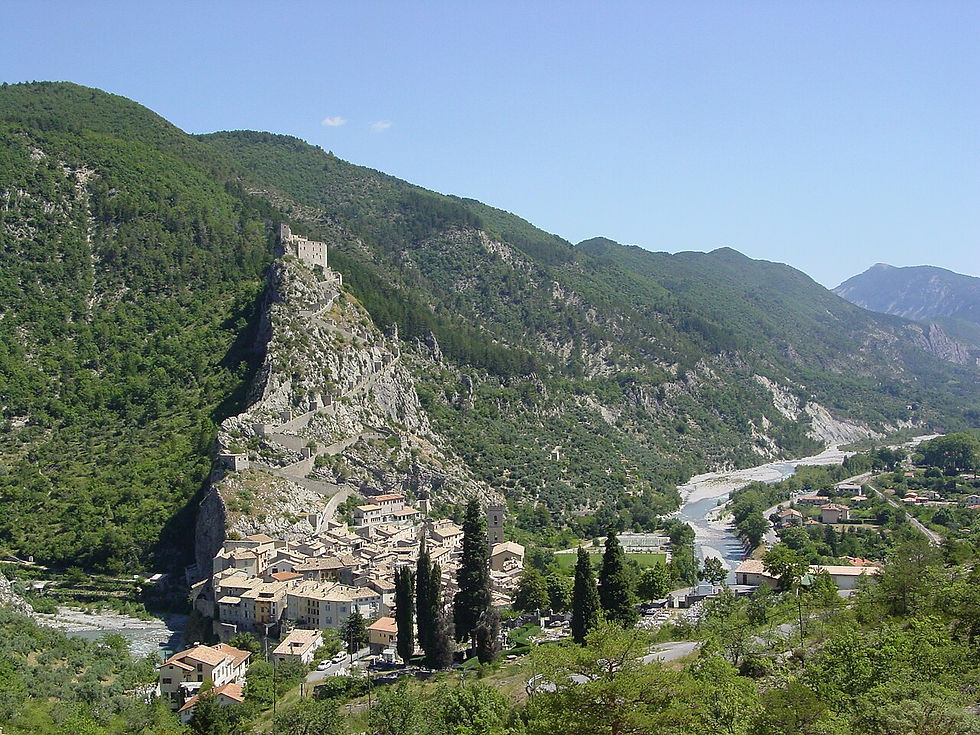


The County of Nice (french riviera) : Where France Meets Italy
On the southeastern edge of France, the County of Nice (Comté de Nice) occupies a unique position between the French and Italian worlds. Attached to France only in 1860, the region long belonged to the House of Savoy and remained historically closer to Liguria and Piedmont than to Paris.
Its landscapes combine Mediterranean coastline, olive groves, and Alpine mountains descending into the sea. Architecturally, pastel facades, baroque churches, and narrow streets give towns such as Nice a distinctly Italian atmosphere.
The local Niçard language belongs to the Occitan family but carries strong Italian influences, reflecting the region’s hybrid identity.
Cuisine also reflects this cultural crossroads, blending Provençal and Italian traditions through dishes such as socca, pissaladière, olive-based cooking, and Mediterranean seafood.


The Basque Country: Europe’s Ancient Mystery
In the far southwest, the French Basque Country preserves one of Europe’s oldest and most unique identities.
The Basque language, Euskara, is unrelated to Indo-European languages and predates Romanization itself. White houses with red timber framing, mountain villages, and powerful local traditions define the region.
Cuisine emphasizes seafood, peppers, sheep cheese, and cider traditions.


Catalan Roussillon: France and Iberia
Near the Spanish border, Roussillon belongs culturally to the Catalan world. Mediterranean landscapes, fortified towns, and Romanesque architecture dominate the region.
Catalan traditions, cuisine, and language remain visible despite centuries of integration into France.


Corsica: The wild mediterranean island Between France and Italy
Corsica possesses one of the strongest regional identities in France. Mountainous landscapes, isolated villages, chestnut forests, and Mediterranean maquis vegetation create a world apart.
Corsican culture shares deep historical links with Tuscany and northern Italy. The Corsican language remains closely related to Italian dialects.
Polyphonic singing, charcuterie, chestnut flour, and fiercely local traditions continue to shape island life.


Overseas France: Tropical, American, Indian Ocean, and Pacific Worlds
France’s cultural diversity does not end at the Mediterranean. Far beyond Europe, the French Republic also includes overseas territories scattered across the Caribbean, South America, the Indian Ocean, and the Pacific — each shaped by entirely different climates, peoples, and historical trajectories.
In the Caribbean islands of Guadeloupe and Martinique, Creole cultures blend African, European, and Caribbean influences. Tropical landscapes, volcanic mountains, colorful wooden architecture, rum production, Creole cuisine, and musical traditions such as zouk create worlds culturally closer in many ways to the Caribbean basin than to continental Europe.
French Guiana, on the northern coast of South America, represents yet another reality. Covered largely by Amazonian rainforest, it is one of the most biodiverse territories under European sovereignty. Indigenous peoples, Creole communities, Maroon cultures descended from escaped slaves, and more recent immigrant populations coexist in an environment radically different from mainland France.
In the Indian Ocean, Réunion and Mayotte reveal strong African, Malagasy, Indian, Arab, and Southeast Asian influences. Their cuisines, languages, religions, and social structures reflect centuries of maritime exchange across the Indian Ocean world.
Further away still, French Polynesia and New Caledonia anchor France within the Pacific. Polynesian and Melanesian cultures remain deeply alive there, expressed through language, dance, navigation traditions, tattoo art, and strong indigenous identities.
These overseas territories remind us that France is not only a European nation. It is also a global archipelago of cultures spanning several continents, climates, and civilizations.


A world Within a Country
France is often presented abroad as a centralized and culturally homogeneous nation. Yet traveling across its regions reveals something far more complex.
France is not a single cultural block but a miniature continent — where Celtic shores, Germanic frontiers, Alpine valleys, Atlantic plains, Mediterranean civilizations, and tropical overseas societies coexist within one country.
Paris may be its capital, but it is only one expression of France among many.
To understand France fully is therefore to discover not one nation, but a mosaic of worlds layered across a single territory.


Commentaires